
One Health approach to tick-borne disease control through manipulation of reservoir host communities at landscape scale
Researchers investigated how grey squirrels contribute to Lyme disease risk and how different grey squirrel management strategies may influence this relationship.
About the project
Research question
How does invasive wildlife contribute to the spread of ticks and Lyme disease?
Current UK reforestation policies aim to mitigate climate change while increasing habitat availability and connectivity for native wildlife. However, greater connectivity may also facilitate the spread of invasive species such as grey squirrels and disease vectors including the tick Ixodes ricinus, which transmits Borrelia burgdorferi, the bacterium responsible for Lyme disease. Researchers from the University of Greenwich, University of Salford, York University, APHA, and Forest Research investigated how grey squirrels contribute to Lyme disease risk and how different grey squirrel management strategies may influence this relationship.
The study was conducted across woodland sites in Cumbria, UK, where three grey squirrel management treatments were applied: culling, no culling, and simulated fertility-treatment culling. Vertebrate host populations were monitored using camera traps and acoustic recorders, while ticks were sampled over an 18-month period. Using a novel molecular blood-meal analysis method developed by the research team, researchers were able to identify which host species ticks had previously fed upon.
Preliminary results showed that, prior to treatment, approximately 10% of ticks tested had fed on grey squirrels, making them the second most important host species detected after deer. Despite this, there was no evidence that controlling grey squirrel populations significantly affected tick densities across the sites, likely due to the presence of numerous alternative hosts.
Project images
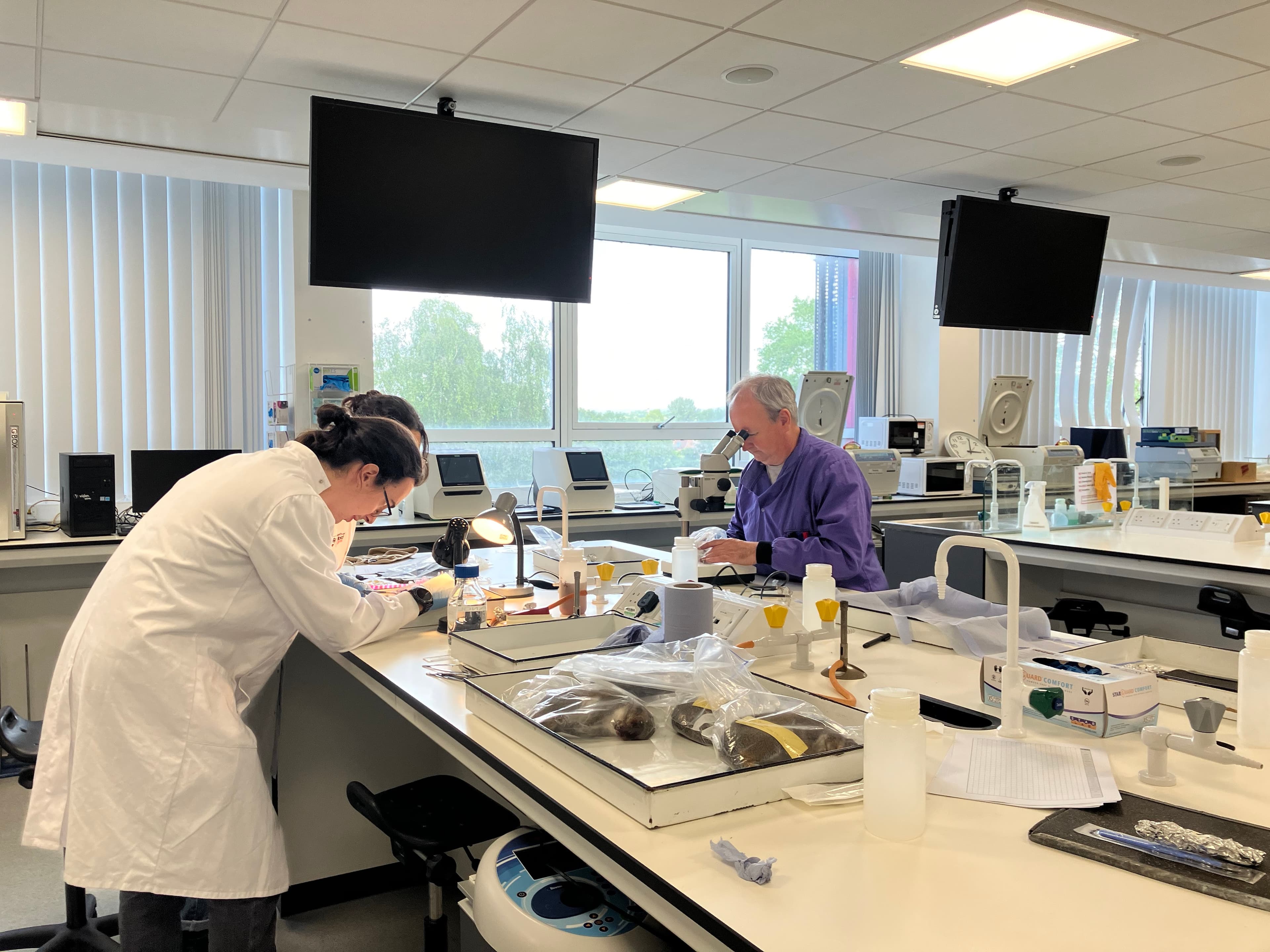
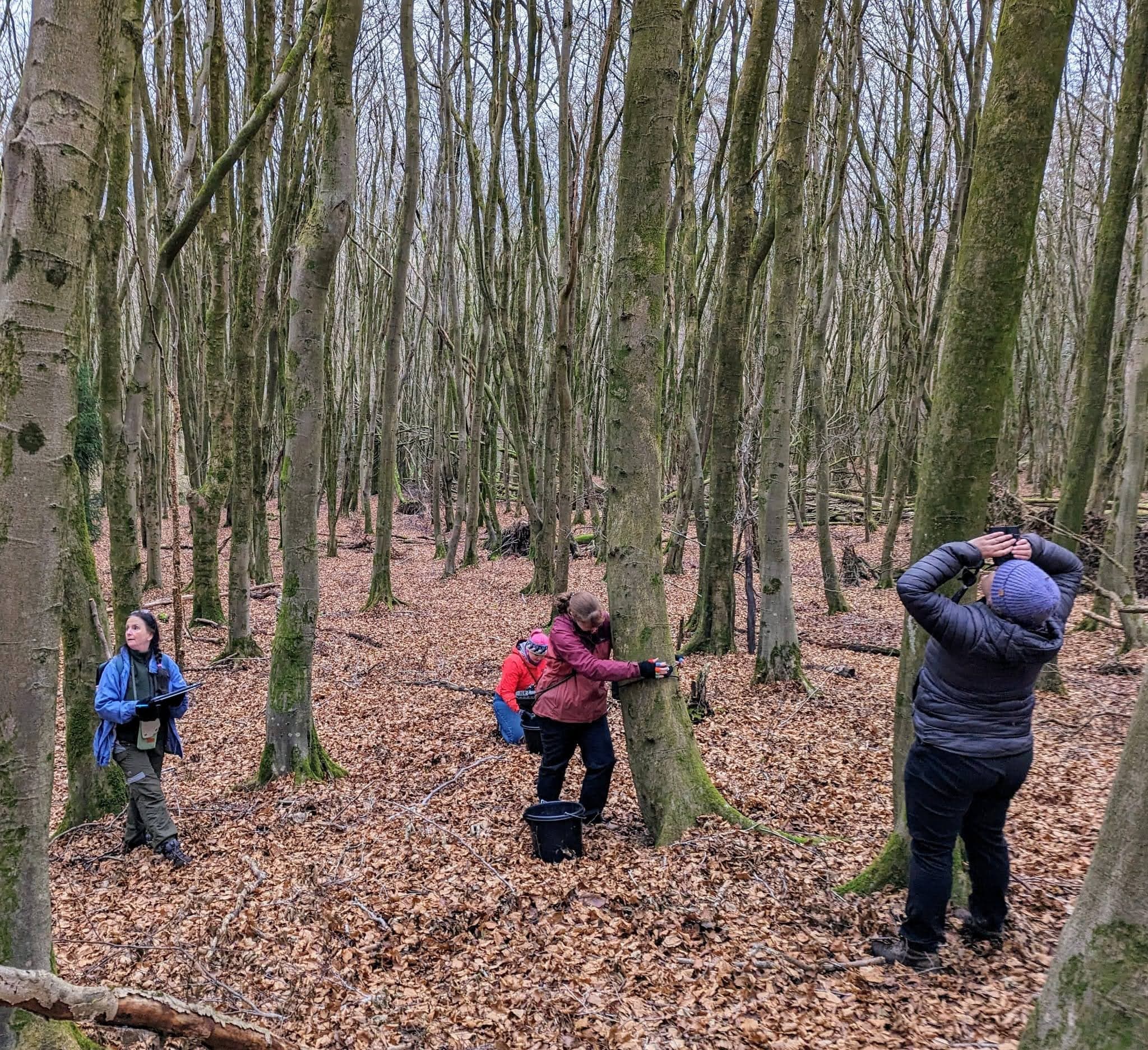
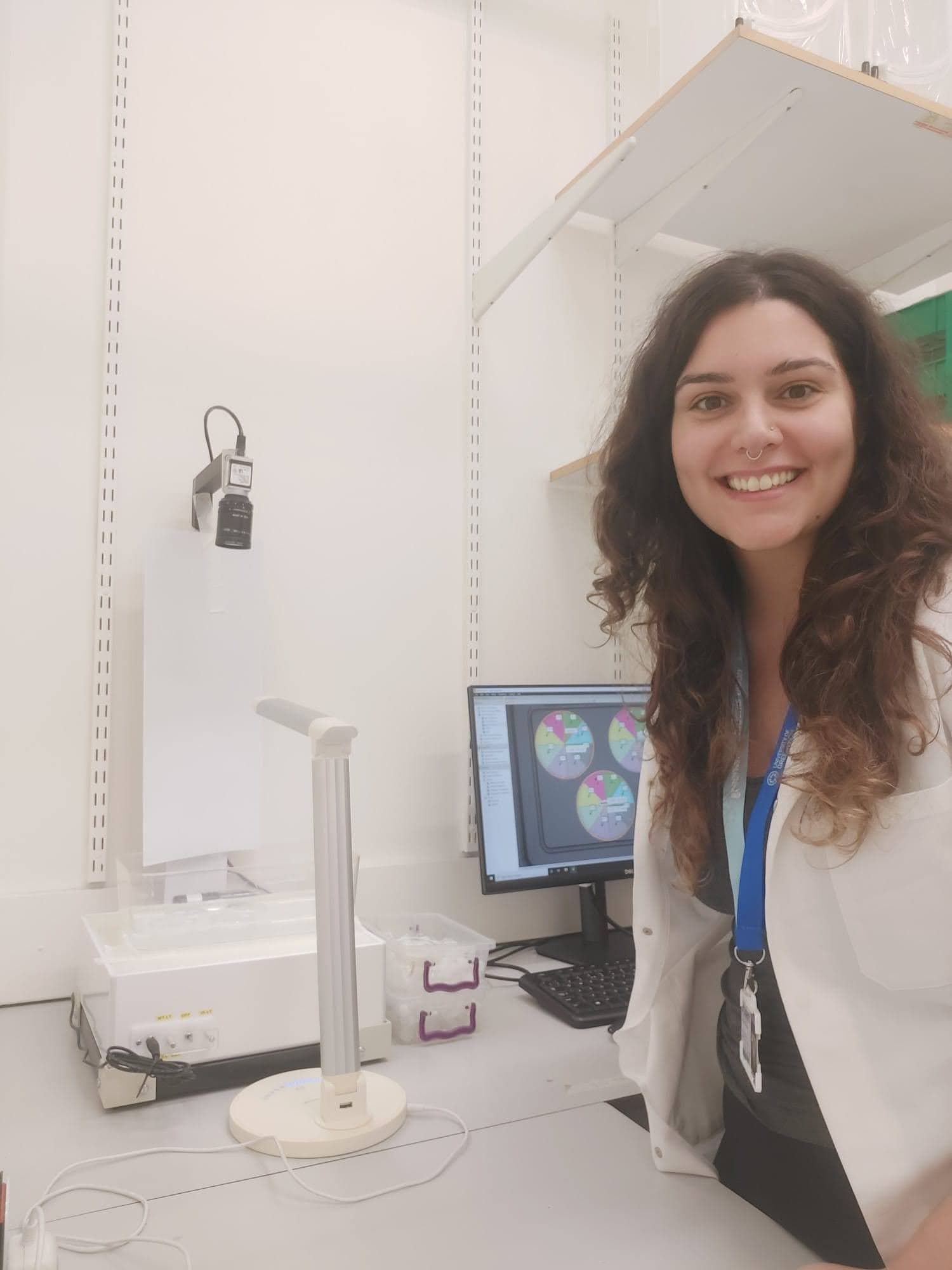
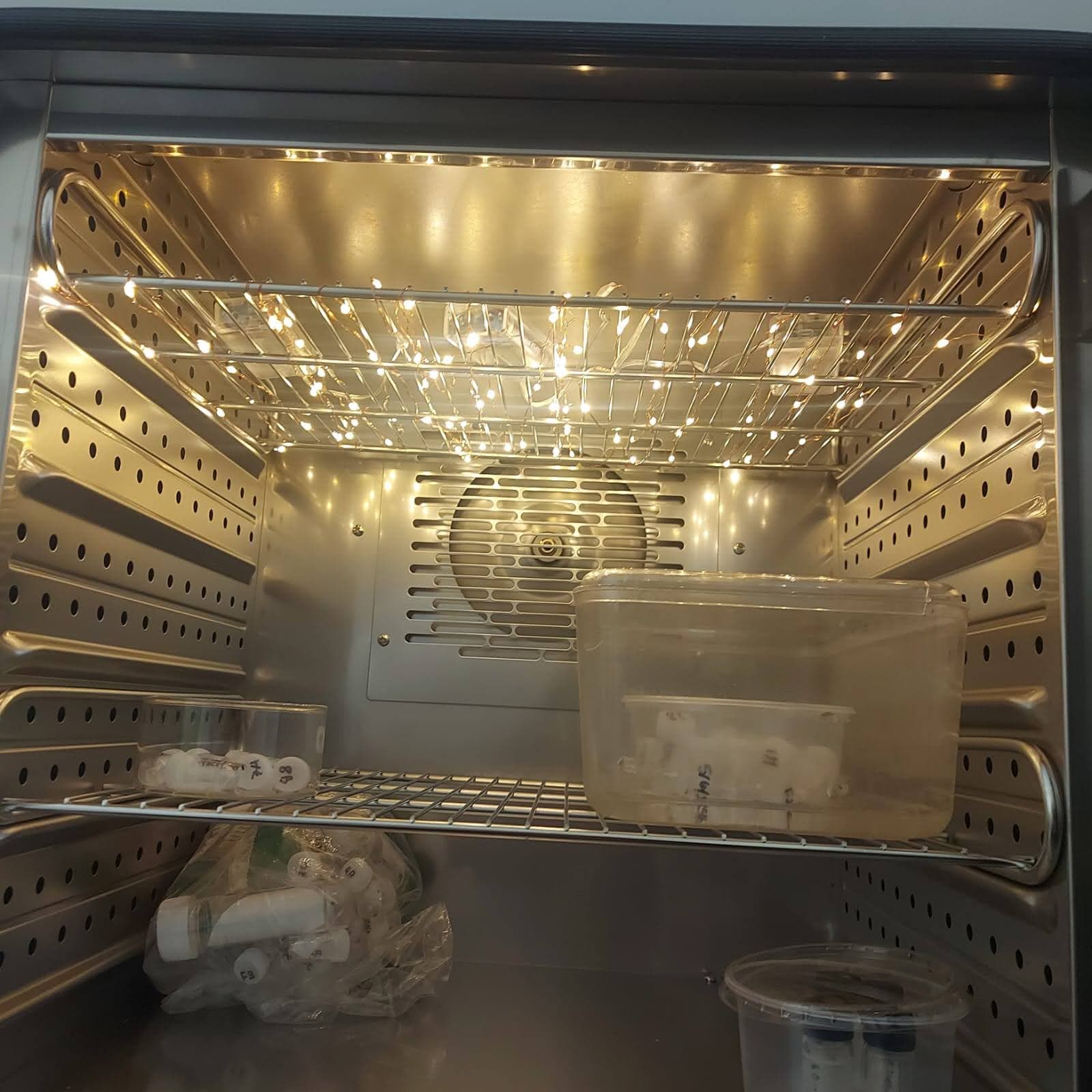
Photo credit: RodTickPathMan project
Project details
- Project lead(s)
- Professor Steven Belmain
- Lead organisation
- University of Greenwich
- Award value
- £1,054,183
- Period
- March 2023 to March 2026
People and organisations
Team members
- Steven BelmainPrincipal Investigator
- Harry MarshallCo-Investigator
- Daniel BrayCo-Investigator
- Simon CroftCo-Investigator
- Richard BirtlesCo-Investigator
- Giovanna MasseiCo-Investigator
- Holly BroadhurstPostdoctoral Research Fellow
- Katherine AugustPostdoctoral Research Fellow
- Georgy AbashinResearch Assistant
- Rachel OrchardSocial Scientist
- Greg CounsellSocial Scientist
- Samantha BeaudoinPhD Researcher
Participating organisations
- University of Greenwich
- Animal and Plant Health Agency
- Forest Research
- University of York
- University of Salford
Research focus
- Ticks
- Reservoir hosts
- Landscape management
- Lyme disease ecology
How this connects to VBD Hub
Outputs can help connect ecological field evidence, host community data, pathogen observations, and practical intervention evidence across human, animal, and environmental health.
VBD Hub was not directly part of these research consortia. It was funded as follow-on shared infrastructure to support discovery, documentation, and reuse of outputs across the wider UK One Health vector-borne disease community.
Project links
Data outputs and expected datasets
- Quantitative data on tick responses to host odours and naturally-derived repellents - VecTraits.
- Qualitative data on proportions of ticks which have fed on squirrels and other hosts, and changes to tick abundance and tick-borne pathogen prevalence following squirrel control - VecTraits and VecDyn.